


Podcast – Civil society in Cyprus: Challenges, Opportunities, and the Path Forward

Civil society in Cyprus is at a pivotal moment, balancing persistent structural challenges with emerging opportunities for meaningful impact. In a recent discussion on the Policy Talks podcast, Marinos Papaioakeim, Strategic Partnerships and Development Lead at CARDET, and Nadia Karayianni, Head of Business Development at CARDET, offer a nuanced assessment of the sector’s current landscape and future trajectory.
One of the key challenges identified is the limited institutional capacity and fragmented nature of civil society organisations, which often constrains their ability to influence policy-making effectively. Issues such as restricted funding streams, administrative burdens, and varying levels of public trust further complicate the operating environment. Despite these barriers, there is a growing recognition of the vital role civil society plays in fostering democratic participation and social cohesion.
At the same time, opportunities for growth are becoming increasingly evident. Enhanced collaboration between organisations, greater access to European funding mechanisms, and a gradual shift toward more participatory governance models are creating space for civil society to expand its influence. Strengthening civic engagement—particularly among younger generations—is highlighted as a critical factor in shaping more inclusive and responsive public policies.
A notable initiative discussed is the EU Presidency Project 5 (EUPP5), a civil society-driven effort funded by the European Commission and implemented during the EU Council Presidency Trio of Poland, Denmark, and Cyprus (October 2024 – September 2026). The project aims to empower civil society actors, build capacity, and promote active involvement in decision-making processes at both national and European levels.
Looking ahead, the evolution of civil society in Cyprus will depend on sustained investment in capacity-building, stronger cross-sector partnerships, and a continued commitment to participatory dialogue. While progress is underway, the pace and depth of change will ultimately determine whether civil society can fully realise its potential as a driver of inclusive governance.
Watch the full podcast here.
The project “Towards an open, fair and sustainable Europe in the world – EU Presidency Project 2024-2026” is co-funded by the European Union and implemented by Global Focus, Grupa Zagranica, CARDET, and CONCORD, the European Confederation of NGOs working on sustainable development and international cooperation. Project Number: 2024 / 459-484. The contents of this publication are the sole responsibility of CARDET and do not necessarily reflect the views of the European Union.

LATEST NEWS
 14/10/26
CONCORD AidWatch 2026: EU Development Aid Plummets Amid Widespread Cuts as Global Solidarity Risks Backslide
Official Development Assistance (ODA) from European Union Member States and EU Institutions declined sharply in 2025, dropping by 11.4% in real terms compared to 2024,...
Read more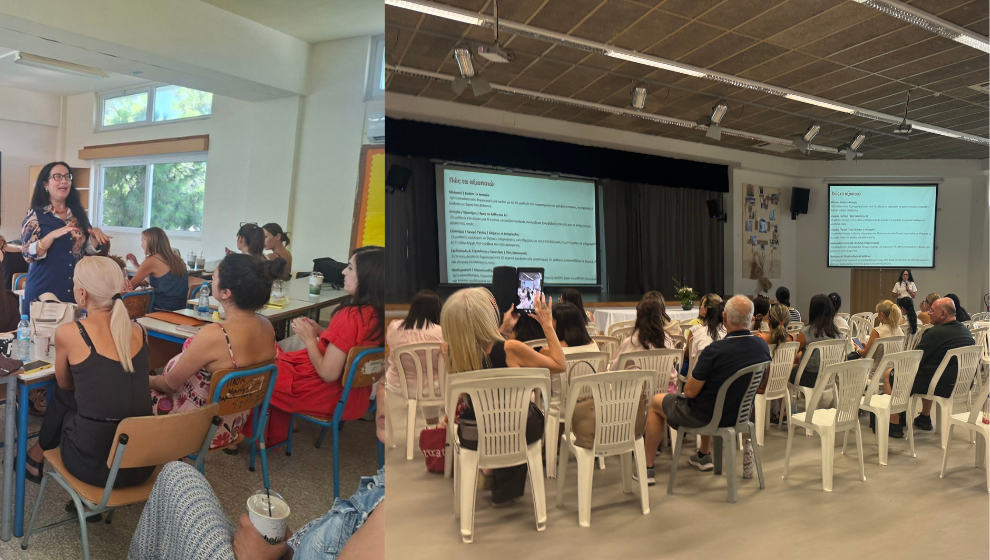 11/09/26
Professional Development Seminars for Teachers Held During the 2026 Teachers’ Two-Day Event
Seven professional development seminars for teachers were successfully delivered as part of the annual Teachers’ Two-Day Event, held from 8 to 10 September 2026 across...
Read more 03/08/26
Young People Shape the Future of Mental Health Support in Cyprus
Young people in Cyprus are helping drive meaningful change in how mental health is understood, prioritised, and supported nationwide. After 26 months of coordinated action,...
Read more