Author: Veronica Charalambous

EU-INSPIRE: INnovative multi-diSciPlinary Industry-focused cybersecurity education for upskilling and ReskIlling the EU workforcE

EU-INSPIRE aims to revolutionize the landscape of higher education within the cybersecurity domain by cultivating new group of specialists, equipped with master-level expertise across the political, organizational, and technological dimensions of cybersecurity, artificial intelligence (AI), and cyber insurance.

Its goal is to shape an advanced educational ecosystem that not only fosters the development of specialized skills but also supports the continuous upskilling and reskilling of professionals in response to evolving industry demands and challenges. EU-INSPIRE mission is to respond to the need for addressing the multifaceted educational and vocational training needs critical to support the future EU Cyber Resilience ecosystem through an innovative three-fold approach:

i) nurturing ICT personnel adept in leveraging AI-driven cybersecurity technologies to enhance the resilience of processes, systems, and digital infrastructures;

ii), cultivating cyber insurance specialists who possess a deep understanding of how cybersecurity and AI converge to protect cyber insurance policies, alongside expertise in deploying mechanisms for the assessment of cyber risks and threats; and

iii), empowering domain experts with sector-specific insights into digital transformation, who are proficient in applying cutting-edge AI solutions to cybersecurity conformity assessments.

EU-INSPIRE is set to implement strategic mechanisms aimed at engaging a diverse array of industrial and research driven communities ensuring the sustainability of the ecosystem beyond the end of the project through the development of a financially viable and cost-effective roadmap for establishing the EU-INSPIRE academy. This institution is envisioned to serve as a cornerstone of the next-generation EU Cybersecurity Foundation, fostering synergies and integration with existing EU commitments aimed at mitigating the cybersecurity skills gap.

ACT-INCLUSIVE: Προώθηση της συμπεριληπτικής εκπαίδευσης μέσω καινοτόμων πρακτικών

Το έργο ACT-INCLUSIVE, που επιχορηγείται από το πρόγραμμα Erasmus+, ανακοινώνει με υπερηφάνεια την ανάπτυξη μιας συλλογής βέλτιστων πρακτικών που αποσκοπούν στην προώθηση της συμμετοχικότητας στα σχολεία μέσω δραστηριοτήτων μη τυπικής εκπαίδευσης. Η συλλογή είναι διαθέσιμη στην ιστοσελίδα του έργου.

Στόχο συλλογής

Ο πρωταρχικός στόχος αυτής της συλλογής είναι να παρέχει στους εκπαιδευτικούς, τους υπεύθυνους χάραξης πολιτικής και άλλους πρακτικά παραδείγματα και μεθοδολογίες, που έχουν αποδειχθεί αποτελεσματικά στην προώθηση της συμμετοχικότητας. Με την εφαρμογή αυτών των πρακτικών, τα σχολεία μπορούν να υποστηρίξουν καλύτερα τους μαθητές με διαφορετικές ανάγκες, προωθώντας ένα περιβάλλον όπου κάθε μαθητής έχει την ευκαιρία να επιτύχει.

Στιγμιότυπα από τη συλλογή καλών πρακτικών

  1. Έργο “H@z Tic”: Η πρωτοβουλία αυτή επικεντρώνεται στον ψηφιακό γραμματισμό για μαθητές με σύνδρομο Down, χρησιμοποιώντας tablets/ PCs, για να διευκολύνει τη μάθηση και την ενσωμάτωση στην τάξη. Το έργο δίνει έμφαση στη σημασία της συμμετοχής της οικογένειας και του συντονισμού μεταξύ εκπαιδευτικών ιδρυμάτων και συλλόγων για την υποστήριξη της ανάπτυξης των μαθητών.
  2. Πρόγραμμα VIDA: Το έργο αυτό, που απευθύνεται σε μαθητές με νοητική ή αναπτυξιακή αναπηρία, παρέχει ολοκληρωμένη κατάρτιση σχετικά με τα δικαιώματά τους, τον αυτοπροσδιορισμό και τη γνωστική προσβασιμότητα. Το έργο είναι ζωτικής σημασίας για να διασφαλιστεί ότι οι μαθητές αυτοί μπορούν να απολαμβάνουν την πλήρη ιδιότητα του πολίτη και την ενεργό συμμετοχή στην κοινωνία.
  3. Κοινόχρηστοι χοροί – Danses partagées: Σε αυτή την πολιτιστική πρωτοβουλία συμμετέχουν μαθητές από διάφορες εκπαιδευτικές βαθμίδες σε εργαστήρια χορού και παραστάσεις. Στόχος της είναι να οικοδομήσει μια αίσθηση κοινότητας και να ευαισθητοποιήσει για τις διάφορες μορφές αναπηρίας μέσω καλλιτεχνικών συμπεριληπτικών πρακτικών.
  4. Εργαστήριο Αισθητηρίων: Αυτό το εργαστήριο εστιάζει στην ενίσχυση της κατανόησης των μαθητών για τις αισθητηριακές αναπηρίες και εμπλέκει τους συμμετέχοντες σε δραστηριότητες που προσομοιώνουν τις προκλήσεις που αντιμετωπίζουν τα άτομα με βλάβες στην αφή, την όσφρηση και τη λειτουργία των άνω άκρων.
  5. Έννοια συμπεριληπτικών ομάδων: Η έννοια αυτή προωθεί τον σχηματισμό πολυ-επαγγελματικών ομάδων για την υποστήριξη μαθητών με μαθησιακές δυσκολίες. Δίνει έμφαση στη συνεργασία μεταξύ εκπαιδευτικών, ψυχολόγων και άλλων επαγγελματιών για τη δημιουργία μιας πιο αποτελεσματικής και συμπεριληπτικής εκπαιδευτικής πρακτικής.

Μελλοντικές κατευθύνσεις

Το ACT-INCLUSIVE θα συνεχίσει να διευρύνει το αποθετήριο καλών πρακτικών και να ενθαρρύνει την υιοθέτηση αυτών των μεθοδολογιών σε όλα τα σχολεία της Ευρώπης. Τα επόμενα βήματά μας περιλαμβάνουν τη διεξαγωγή εργαστηρίων και εκπαιδευτικών σεμιναρίων για την ευρεία διάδοση αυτών των πρακτικών και την υποστήριξη της εφαρμογής τους.

Για το έργο 

Το ACT-INCLUSIVE προωθεί την αλλαγή προς τη συμπεριληπτική εκπαίδευση με την αξιοποίηση στρατηγικών μη τυπικής εκπαίδευσης. Συνεργαζόμαστε στενά με σχολεία, οικογένειες και κοινότητες για να διασφαλίσουμε ότι κάθε μαθητής, ανεξάρτητα από τις ικανότητές του, λαμβάνει την υποστήριξη και τους πόρους που χρειάζεται για να ευδοκιμήσει.

Περισσότερες πληροφορίες

Για περισσότερες πληροφορίες, επισκεφθείτε την ιστοσελίδα μας και ακολουθήστε μας στο FB και στο LinkedIn.

Empowering Rural Tourism: MineTOUR Newsletter #2 Now Available!

The MineTOUR project is unlocking the potential of rural regions across Europe by enhancing experience-based tourism and preserving cultural and natural heritage. In our second newsletter, we share fresh insights from the project’s pilot areas, spotlight key meetings and workshops, and present new tools developed to support virtual sustainable tourism in rural destinations. Discover how MineTOUR is creating meaningful visitor experiences while boosting local economies and strengthening community identity.

Download Newsletter #2 to explore how MineTOUR is shaping the future of virtual tourism in Europe!

Learn more about the MineTOUR Project here.

EcoSTEAM Project Completes Successful Pilot at Lighthouse Private School

The EcoSTEAM Project, an Erasmus+ funded initiative aimed at enhancing STEAM (Science, Technology, Engineering, Arts, and Mathematics) education with a focus on environmental awareness, has successfully completed its pilot phase at Lighthouse Private School in Limassol. 

Over the course of 12 weeks, 65 secondary school students and 6 STEAM educators participated in project-based activities centered on climate change, environmental conservation, and exploring future careers in STEAM fields. The pilot program featured over 12 innovative activities designed to foster creative and critical thinking while enhancing students’ collaboration skills. Participants reported significant improvements in their understanding of both local and global environmental issues, empowering them to effectively tackle sustainability and climate change challenges.

The insights gained from the pilot at Lighthouse Private School will be instrumental in shaping future educational initiatives, addressing global educational, social, and environmental challenges.

The EcoSTEAM Project’s primary objective is to disseminate and refine educational content developed during the initiative. Feedback from students and educators will be used to enhance the materials and teaching methods for future implementations. The project also involved primary school students and teachers, creating a holistic educational experience across different age groups.

For more information about the EcoSTEAM Development Project and its initiatives, please visit the website here.

Youth Leaders from Cyprus Inspire Action on Sustainability and Leadership

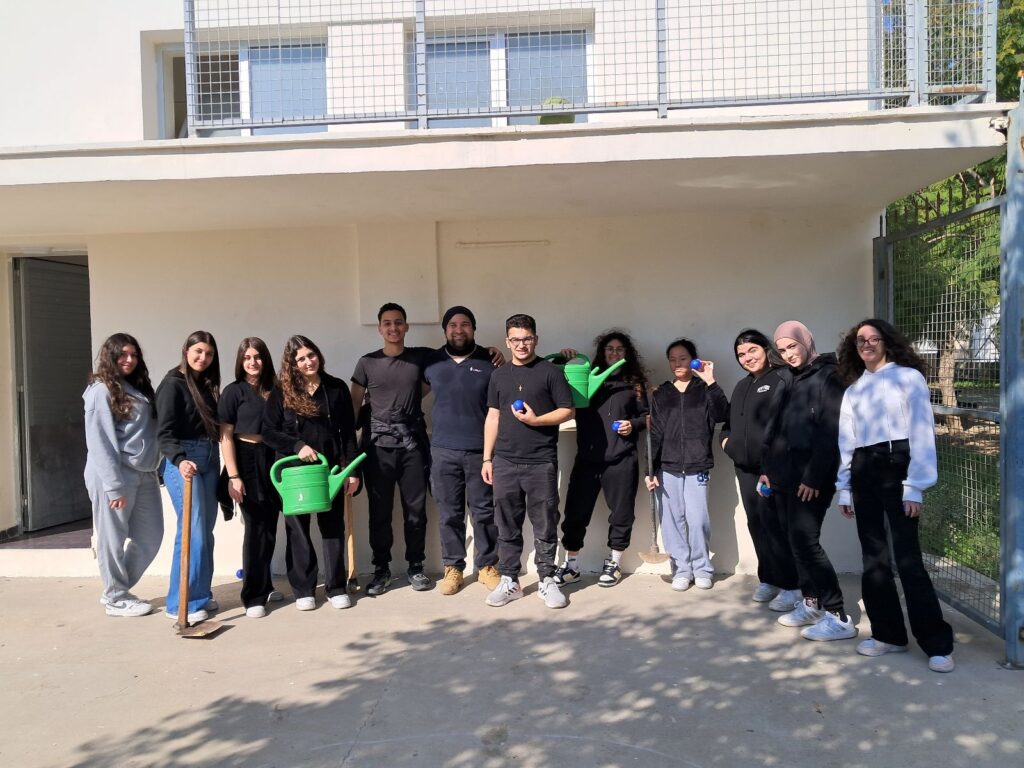
In the final week before the Christmas break, two youth leaders from Cyprus, Anastasis and Nefeli, conducted workshops promoting sustainability and leadership among high school students. Representing CARDET, they applied the knowledge and skills they had gained during the International Youth Leaders’ Meeting in Malaga, Spain, in October 2024, as part of the EU-funded UxGE project, to deliver impactful sessions at Lykeio Latsion. The workshops engaged 16 students, all aged 17, focusing on two key themes: leadership in environmental action and sustainable consumption.

The first workshop began with an introduction to leadership, highlighting its significance, various types, and examples of green leadership. Students participated in practical activities, including ranking leadership styles and analyzing case studies to identify different leadership approaches in various scenarios.

The second workshop shifted the focus to sustainable consumption. Through an interactive game, students categorized products based on their sustainability. This was followed by a presentation on sustainable shopping practices, which covered criteria for choosing environmentally friendly products and examples of best practices.

Despite it being their first time facilitating workshops, Anastasis and Nefeli excelled in engaging the participants through dynamic presentations and hands-on activities. Their efforts inspired the students to actively participate, fostering a deeper understanding of sustainability and leadership. This initiative not only demonstrated the potential of youth-led action but also empowered participants to take responsibility for promoting environmental sustainability and leadership in their communities. Anastasis and Nefeli’s dedication and creativity highlighted the critical role of youth leadership in shaping a sustainable future.

These workshops were part of the UxGE Project, which aims to holistically develop youth leaders and stakeholders. By focusing on leadership, critical thinking, sustainability, and environmental awareness, the project strives to create a robust framework for personal and professional growth. The ultimate goal is to cultivate young leaders who are not only aware of environmental challenges but also equipped to lead their communities toward sustainable practices and policies.

Learn more about the UxGE Project, here.

CARDET Participates in Teacher’s Day Professional Development Sessions

On December 12, 2024, CARDET actively contributed to the professional development sessions organized as part of the “Teacher’s Day” event for General Secondary, Technical, and Vocational Education and Training educators. The event, hosted by the Cyprus Pedagogical Institute, served as a platform for sharing innovative practices aimed at improving school environments and supporting educational professionals.

Education is a fundamental pillar of CARDET’s work, and with many years of experience in implementing innovative programs, the organization plays a key role in empowering educators and enhancing the learning experience. As part of the event, CARDET delivered two impactful presentations:

Collegiality and Wellbeing in the School Environment
This session, presented within the frameworks of the COSERE, Ageing Well projects, addressed the importance of fostering collaboration and promoting wellbeing among educators. The sessions were held at Zakaki Gymnasium and Laniteio High School in Limassol. During these sessions, an introduction to positive psychology and the PERMA model, which promotes well-being, was provided. Educators were divided into groups and outlined the profile of the “ideal colleague”. They explored challenges and engaged in brainstorming sessions to generate creative actions aimed at fostering collegiality. These ideas were later presented to the plenary session and their school administration.

Wellbeing in the School Environment through Inclusive Education
This session, drawing from the ACT-Inclusive project, emphasized the principles of inclusive education and the importance of creating supportive, inclusive spaces for both students and teachers. It was held at Ayios Antonios High School in Limassol.

Application of Educational Digital Activities for Climate Change and Sustainable Mobility
Focusing on the enhancement of Education for Sustainable Development and Global Education within the framework of the SMILE Project, this session was presented at Agios Antonios High School in Limassol.

CARDET’s participation underscores its commitment to promoting wellbeing and inclusivity in education, aligning with its broader mission to elevate the quality of teaching and learning in schools.

LEADING 2030 Project Concludes with Final TPM and Conference in Dresden, Germany

The LEADING 2030 Project concluded with its final Transnational Project Meeting (TPM) and Conference on December 5-6, 2024, in Dresden, Germany. This marked the successful conclusion of a significant initiative aimed at boosting post-pandemic sustainable business practices. The Conference brought together business leaders, consultants, and Continuing Vocational Education and Training (CVET) professionals to celebrate the project’s accomplishments and showcase its groundbreaking resources for promoting sustainability.

The keynote speech was both compelling and insightful, as were the two presentations featuring practices from local organizations. These presentations sparked lively and engaging discussions among participants. The Final Meeting was highly productive, resulting in a clear plan for completing the remaining tasks necessary to finalize the project.

The LEADING 2030 initiative has been instrumental in upskilling professionals to align business goals with sustainable development and integrate sustainability into key sectors. By focusing on empowering both business consultants and leaders, the project addressed a critical need for sustainable business practices in a rapidly changing world.

A key highlight of the event was the presentation of the StoryMaps, an innovative digital resource designed to inspire businesses and individuals toward sustainable development. The StoryMaps use a compelling storytelling approach to sustainability, identifying and showcasing best practices from across the participating countries. These digital narratives not only share impactful data, but also map the efforts of organizations committed to the SDGs, offering a wealth of resources and knowledge on actions aligned with the United Nations’ Agenda 2030.

The StoryMaps will soon be made available on the  LEADING 2030 WebHub, a platform that houses a wealth of digital tools and resources designed to promote sustainable business transformation. The WebHub has been a central feature throughout the project, offering access to training materials, tools, and other resources to help professionals implement sustainable practices across industries.

As the LEADING 2030 project concludes, its impact continues to resonate across Europe, driving forward a culture of sustainability and providing essential tools to equip future leaders in making sustainability a core business strategy. The project’s legacy promises to influence how businesses approach sustainability in the years to come, contributing to the broader goal of achieving the Sustainable Development Goals by 2030.

Explore more insights about the LEADING 2030 Project here

CARDET Participates at the “Bridging the Gap Between Higher Education and VET with Industry” Conference

On December 5th, Dr. Xanthia Aristidou, Senior Project Manager and Researcher at CARDET, delivered a key presentation at the “Bridging the Gap Between Higher Education and VET with Industry” Conference, organized by the Foundation for the Management of European Lifelong Learning Programmes (National Agency for Erasmus+ Cyprus). Held in Limassol from December 3-5, the event brought together leading experts from education, vocational training, and industry to discuss strategies for enhancing workforce development through education and training.

In her presentation, titled “Upskilling and Re-skilling the Workforce: The Role of Universities and Adult Education Providers,” Dr. Aristidou showcased the significant outcomes and impact of CARDET’s ongoing Erasmus+ initiatives that are directly shaping the future of adult education. These projects have proven to be key drivers in addressing the ever-growing demand for skill development in today’s rapidly evolving labor market.

Dr. Aristidou highlighted the following projects:

  • RALExILA: This initiative is instrumental in supporting the development of national registries for adult learning, ensuring that educational programs are accessible and aligned with the needs of adult learners across Europe.
  • PartnerUP:  Focused on enhancing partnerships between educational institutions and industry, PartnerUP promotes pathways for upskilling that are responsive to labor market needs and help bridge the skills gap.
  • ADULTDIGITALUP:  This project is empowering the digital skills of adults in Cyprus, ensuring that the workforce remains competitive in an increasingly digital world.
  • JUST4ALL: Promotes a just transition through inclusive lifelong learning.

The conference provided a key opportunity for CARDET to demonstrate its leadership in adult education and workforce development. By showcasing impactful projects like RALExILA, PartnerUP, JUST4ALL, and ADULTDIGITALUP, CARDET highlighted its role in driving meaningful change and fostering the skills necessary for a dynamic workforce. The event also emphasized the importance of continued collaboration between education, vocational training, and industry to create a skilled, adaptable workforce for the future.

Supporting Mental Health Resilience among Youth in Cyprus

The project Supporting Mental Health Resilience among Youth in Cyprus, funded by the European Commission via the Technical Support Instrument and implemented by the Ministry of Health and UNICEF, aims to improve the mental health and resilience of young people in Cyprus. It addresses the significant mental health challenges exacerbated by the COVID-19 pandemic, which disproportionately affected young people, particularly those in vulnerable groups. The research activities of the project are coordinated by CARDET.

The project has been submitted to the Cyprus National Bioethics Committee and has obtained the necessary approval. The project focuses on developing youth-friendly mental health promotion and prevention services at the municipal level, co-designed with young people to ensure their voices are integral to the process. Key objectives include creating a youth engagement framework, strengthening community-based mental health services, and providing capacity-building for service providers. It also supports the development of a National Mental Health Strategy in Cyprus, aligning with international best practices and fostering a sustainable, inclusive approach to mental health for young people.

Inclusive Hubs Project Publishes Policy Paper on Migrant Inclusion in Schools

The Inclusive Hubs Project, an EU-funded initiative dedicated to transforming schools into welcoming and inclusive spaces for all learners, has released a Policy Paper addressing key challenges and gaps in the inclusion of migrant families within schools and society. The Policy Paper will be shared with policymakers, stakeholders, and authorities across partner countries to foster systemic, impactful changes for migrant inclusion. 

The new Policy Paper from the Inclusive Hubs Project outlines key recommendations to improve migrant integration in schools. Drawing from research with migrants, educators, and local stakeholders (WP2), it identifies barriers such as low language proficiency and early school leaving. Key actions include investing in cultural mediation, providing ongoing professional development for educators, and engaging local communities in supporting migrant families. The project stresses the importance of equipping educators with intercultural skills and ensuring long-term emotional and resilience programs. Furthermore, it encourages the involvement of local stakeholders in decision-making to foster a sense of ownership and maximize the impact of integration plans. For more details, you can read the full policy paper here.

The Inclusive Hubs Project is committed to promoting holistic approaches to teaching and learning, fostering collaboration among school staff, communities, migrant learners, and their families. The aim is to ensure that everyone feels welcomed, respected, and valued, especially those with fewer opportunities, such as migrant students.

Learn more about the Project here.