Ageing Well project, focuses on enhancing the well-being and quality of life for elderly populations. Its initiative focuses on tackling the distinct challenges encountered by older adults, including loneliness, isolation, racism, and communication barriers. By promoting active aging, we aim to empower elderly individuals and their caregivers while fostering supportive communities. Through innovative research, tailored training programs, and policy advocacy, we strive to promote positive mental health outcomes and create inclusive environments where older adults can thrive.
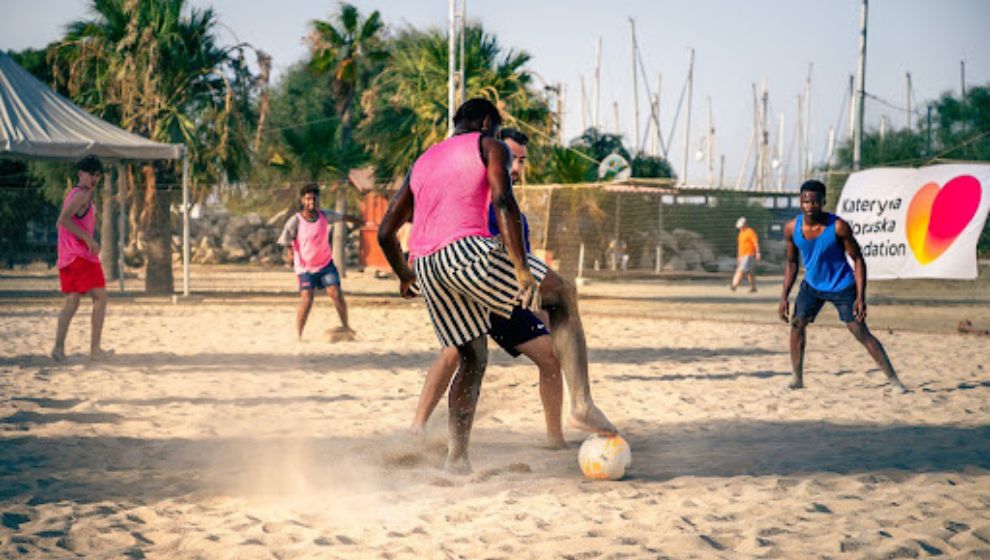
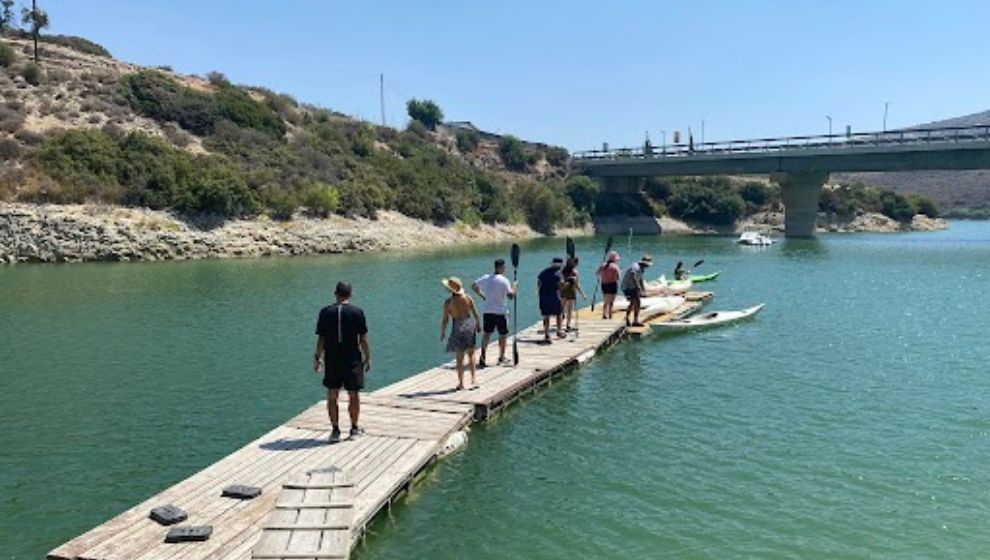
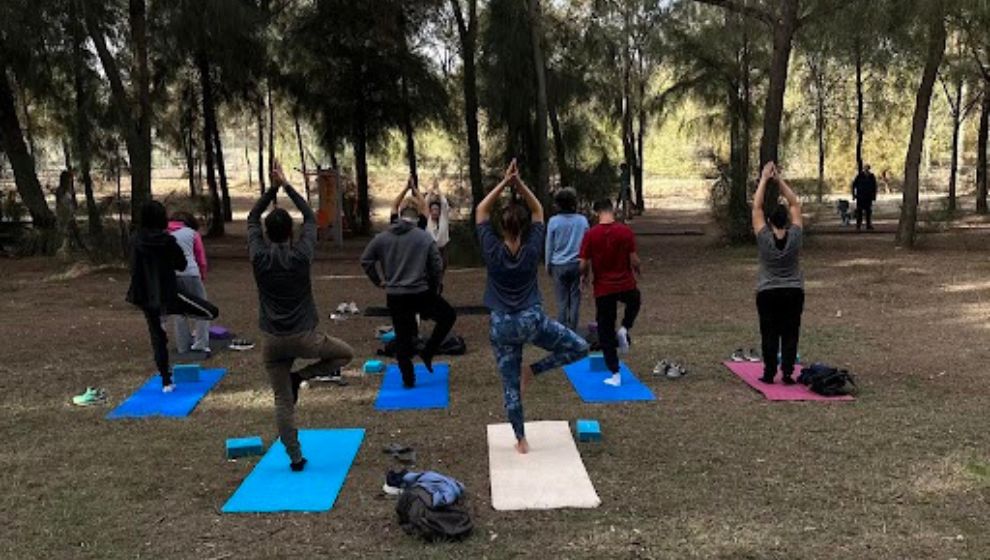
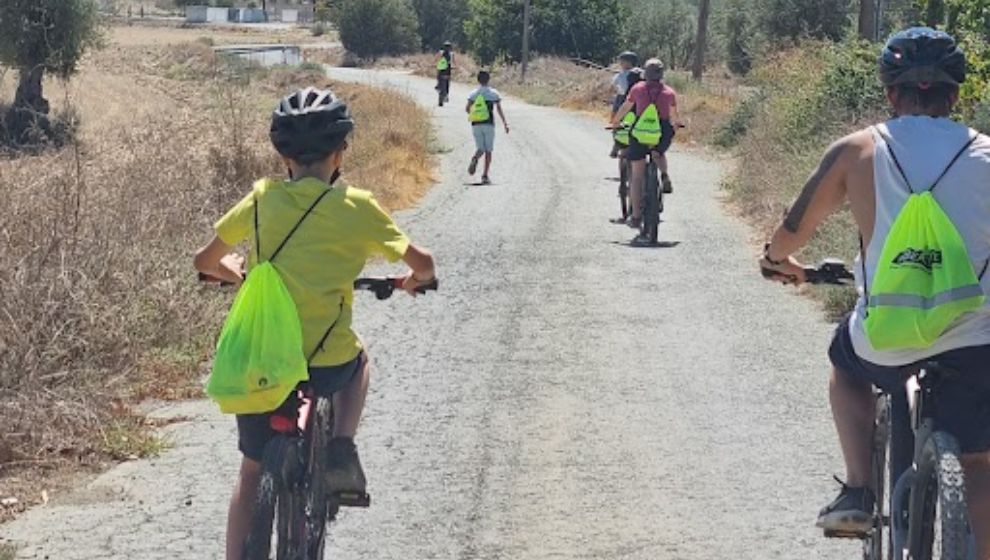
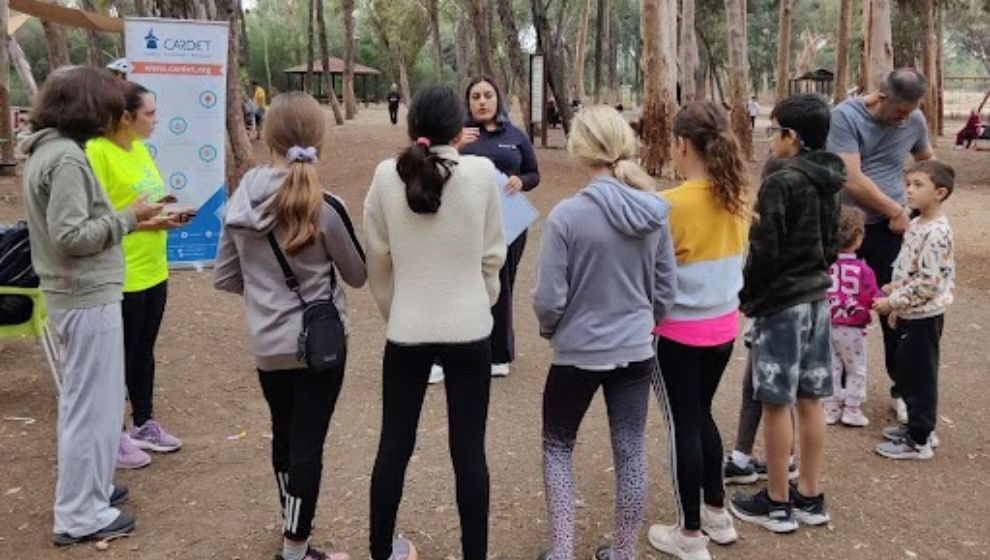
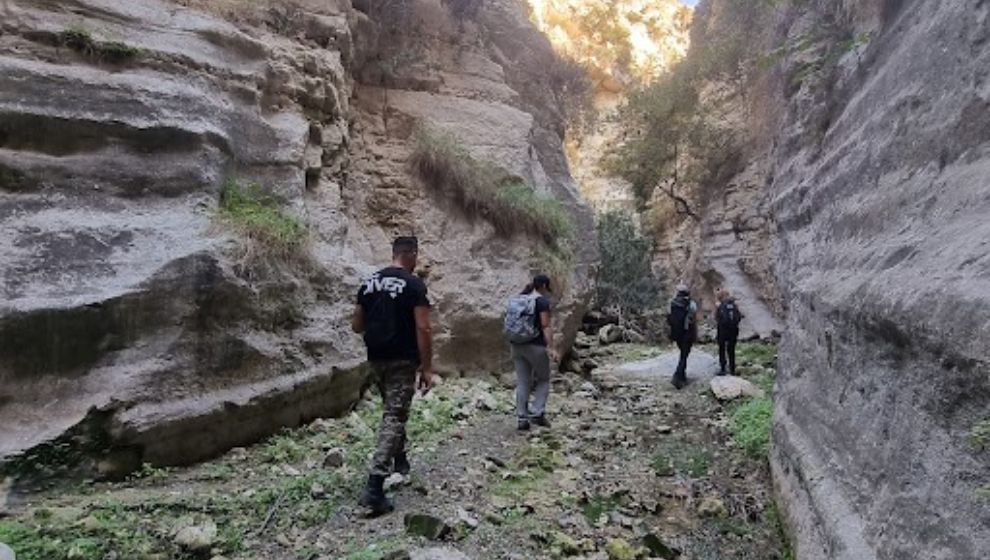
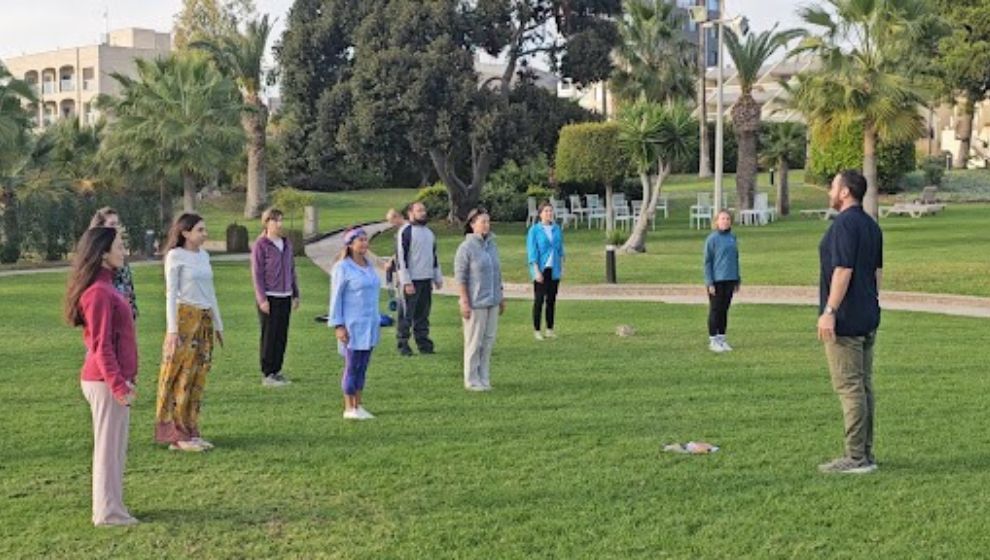
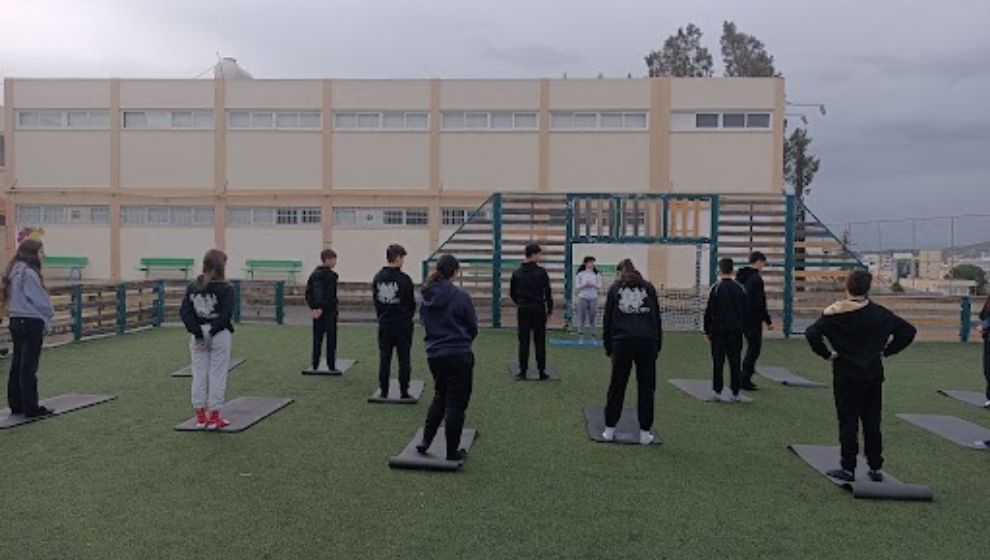
The eight events took place from July 2023 to January 2024 for the Green League project. Each sports event focuses on a different sport and corresponds to one of the four elements of nature.
Beach Soccer – Water
Canoe/Kayak – Water
Yoga – Earth
Cycling – Earth
Running – Fire
Hiking – Fire
Qigong – Air
Pilates – Air
The success of these sports events is the methodology used for their planning and execution. Each event was conducted sustainably and promoted intergenerational dialogue among participants.
The events follow the principles of experiential learning, utilizing nature both as a backdrop and as a teacher. Participants took part in events inspired by the Four Elements of Nature, which provided an opportunity for everyone to engage in outdoor sports while also reflecting individually and in groups on the complex relationship between the environment and sports.
The “Data Game” project scope is aimed at enhancing GDPR compliance, data privacy, and security within the European adult education sector, focusing on informal learning providers and freelance educators. During the two years of its journey, it intends to develop and distribute a DataGame, a brochure, and a Data Toolbox to address the challenges posed by the shift to online learning and the varied compliance levels across institutions.
Targeting adult educators, managerial staff, program planners, and political decision-makers, the project seeks to foster a deeper understanding and implementation of data protection principles through gamification, with an expected impact of long-term sustainability and accessibility of project outputs for at least three years post-completion.
Around one-third of EU citizens reside in rural regions, representing a significant portion of the EU territory. Despite facing challenges such as population decline and limited access to modern services, rural regions offer opportunities for growth that is both inclusive and sustainable. Bridging the gap between rural and urban areas is crucial for meeting Europe’s environmental objectives.
RURACTIVE envisions rural communities as innovation hubs, focusing on digital innovation, local resource valorization, and training. The initiative aims to create Rural Innovation Ecosystems (RIEs) in 12 pilot areas, fostering collaboration among diverse stakeholders and local communities. To ensure long-term success, RURACTIVE emphasizes multilevel governance, capacity building, place-based development, and inclusive participatory processes, addressing the needs of vulnerable and excluded groups. Recognizing the importance of digital access, the project prioritizes providing digital training and resources to all residents, with a strong commitment to inclusivity.
RURACTIVE aligns with the goals of the EU Digital Agenda by enhancing communities’ capacity to innovate through integrated Rural Development Drivers (RDDs). These drivers include improving transportation options, transitioning to sustainable energy sources, promoting sustainable agriculture and agroecology, preserving local culture, enhancing local governance and social welfare, and promoting nature-based and cultural tourism
Key outputs:
RURACTIVE Solutions’ Catalogue including a set of smart and community-led solutions for rural development
Women-led rural innovation booklet integrating a gender perspective into smart rural solutions
Commercialisation: deployment of a novel product/service (offered to target public/ private/ partnership organizations
RURACTIVE Digital Hub for rural innovation containing RURACTIVE tools and services
Develop guidance and recommendations for policy-makers on drivers and instruments that support community-led innovation and smart solutions
The COVID-19 pandemic has had a profound impact on millions of people in the EU, with many losing their jobs or experienced significant income loss . This means lots of folks will have to learn new skills or find work in different industries. And for young people just starting out, getting into the job market can be really tough, especially because things are changing so quickly due to technology, shifts in population, climate issues, and how connected our world is. Looking ahead to 2023, these challenges are still there, but now we’re also dealing with the aftermath of the pandemic, which has made things even more difficult.
The main goal of the project Green IT Your Work – Youth Debates about European Digital Age is to emphasize how young people can play a crucial role in green transition as well as promoting the creation of green jobs to help make European cities cleaner, especially in response to the challenges posed by the COVID-19 pandemic. Another important goal is to get young people talking, sharing ideas, and actively participating in decisions about how we can make Europe greener.
Stay tuned by following the project’s social media page on Facebook and Instagram.
The EU-funded OTTER Project, aimed at enhancing Education Outside the Classroom (EOC) experiences, has concluded its activities end of February with achievements in developing new out-of-school educational methods and pedagogies. One of its core outputs, the “OTTER Lab” is a pedagogical approach to develop student-centered, hands-on, and outside the classroom STEAM activities, aiming to promote sustainable development.
Over the past 30 months, the project has engaged in primary and secondary schools across Finland, Spain, Hungary, Ireland to pilot the OTTER labs. Each Lab consisted of various activities over a certain period of time, with a special focus on the issue of plastic waste, going from theory to practice, and reflecting on their discoveries.
“The OTTER Labs aim to promote three key pillars; Sustainable Development, 21st Century Skills and Inclusion & Diversity. Our teachers have championed the alignment of OTTER Lab learning objectives with their respective curricula across age groups and subjects to provide a holistic learning experience for their students. I t is inspiring to see these teachers express their passion for creating engaging learning experiences for their students, planning for rich exposure to real life sustainable issues in their locality and OUTSIDE the classroom.” – Deirdre O’Neill, UL Pilot Coordinator
Over the lifetime of the project, the OTTER team organised focus groups, meetings, and discussions with educational institutions, including Harjuniitty school in Nokia, Atala school in Tampere, Mare de Deu de Montserrat, Institut Moisès Broggi in Barcelona, KRK Szilády Áron School and Szamóca Gardening School in Hungary, as well as St. Flannan’s College in Ennis, Coláiste Nano Nagle, Scoil Ide in Limerick, and ScienceLinX in Groningen, among others.
The primary objective of these collaborative sessions was to exchange ideas, discuss methods, and share best practices that could contribute to the co-design of new EOC experiences. The insights gathered were transformed into toolkits and guidelines that education practitioners can now utilise in their Outdoor Labs, paving the way for a more immersive and effective learning environment.
One of the key components of the project was the establishment of the OTTER Hub, serving as a nexus for experts from diverse fields, including educators, scientists, and creatives. Monthly meetings held by consortium partner organisations provided a platform for sharing experiences, best practices, and EOC know-how, while also addressing challenges and exploring innovative methodologies.
A significant outcome of the OTTER Project is the development of a comprehensive Learning Platform, featuring materials and guidelines for educators. Working collaboratively with hub members from across Europe, the project has produced toolkits and guidelines that will serve as valuable resources for implementing Education Outside the Classroom activities. These materials aim to enhance the quality of outdoor education by providing educators with practical and effective tools to enrich the learning experiences of students.
As we celebrate the successful conclusion of the OTTER Project, we express our gratitude to our consortium partners who played pivotal roles in this transformative journey. Special thanks to Geonardo Ltd, European Science Foundation, University of Groningen, University of Limerick, Learning Scoop, The Big Van Theory, and CARDET for their commitment and collaborative spirit. The achievements of the project underscore the power of diverse expertise and shared dedication to advancing Education Outside the Classroom experiences. We would also like to acknowledge the European Commission for their generous funding, which made this initiative possible. As the OTTER Project reaches its conclusion, we look forward to the continued impact of its legacy on shaping the future of education across Europe.
For further information, please visit the project website.
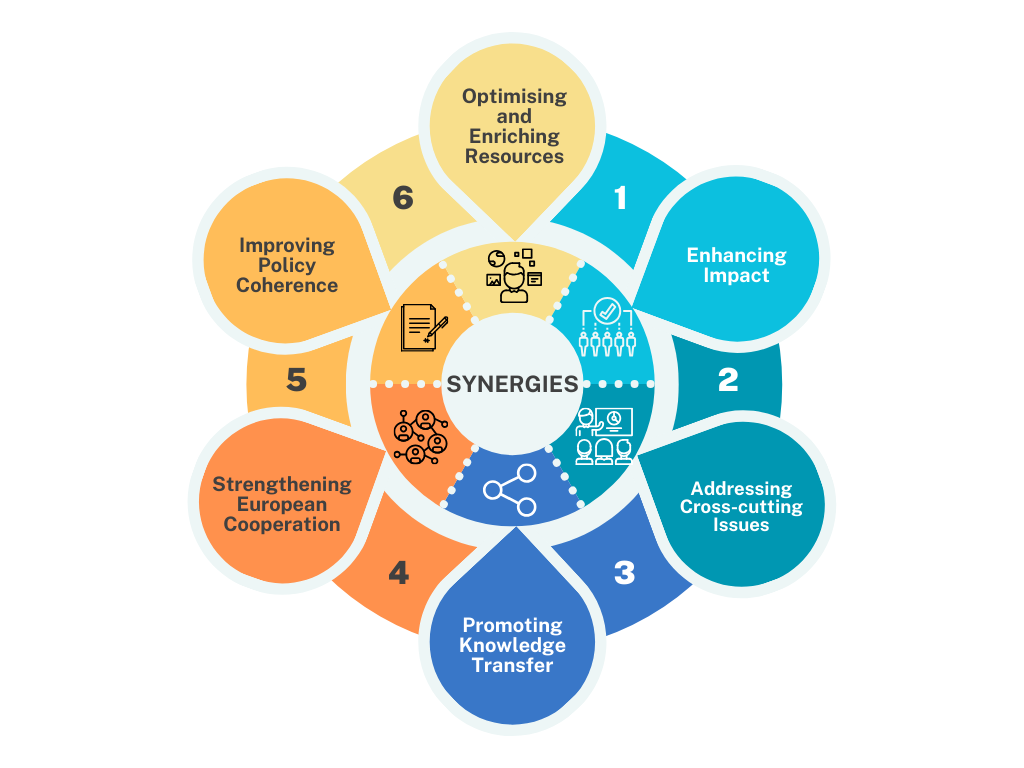
As the saying goes: if you want to go fast – go alone, if you want to go far – go together. The same principle applies to synergies in the context of European-funded projects. That’s why collaborations between initiatives and organisations have been celebrated and pursued for their enhanced effectiveness and efficiency. Synergies serve as an opportunity to holistically address societal, entrepreneurial, environmental, educational and well-being challenges, as opposed to singling out just one of them through a specific initiative.
With the European Commission (EC) funding various projects across member states, spanning diverse sectors such as research and development, innovation, infrastructure, and social programs, it is more crucial than ever to look for opportunities to cooperate. From optimisation, knowledge sharing, connecting communities of practice, strengthening cooperation, and collectively advocating for necessary policy reforms, together initiatives can multiply their collective capacity to make a difference.
Synergy in Action
One exceptional example of such collaboration has been witnessed during the final OTTER conference in Brussels in February this year. The event brought together researchers, policymakers, teachers, STEAM educators, and EOC practitioners, served as a unique opportunity for an open dialogue to explore diverse perspectives on the perks of outdoor STEAM education and the promotion of Education Outside Classroom (EOC).
By sharing, showcasing and reflecting on multiple activities, deliverables and pursued actions, brought to the fore the broader context of over ten ongoing Erasmus+ and Horizon initiatives. ,including SMILE and EcoSTEAM, offering an extraordinary educational value to all of its attendees and organisers.
Reflecting back on this success, there were several reasons why partners around Europe and outside should consider this as a staple practice, especially in the field of education and teaching, including:
Optimising and Enriching Resources
Combining efforts allows for the optimal utilisation of financial and human resources. By sharing expertise, know-how and practices, all three projects can reduce the risk of duplication of efforts and costs. This efficiency is particularly important in maximising the impact of EU funding.
Enhancing Impact
Synergetic opportunities, such as the OTTER Final Conference, amplify the overall impact of projects by creating a more integrated and comprehensive approach to addressing common challenges. Sharing and exploring opportunities for collaboration through the conference’s World Cafe session led to innovative solutions, giving way to better results and a broader reach in the future, benefiting a larger segment of each project’s target audience.
Addressing Cross-cutting Issues
Many educational challenges European countries face cut across multiple domains, such as lack of resources and infrastructure, lack of professional development opportunities for teachers and educators, inflexible curricula and national education systems. Pursuing synergies allows projects to address these cross-cutting issues collectively, fostering a more holistic and integrated approach to problem-solving.
Promoting Knowledge Transfer
Collaboration facilitates the exchange of knowledge, best practices, and lessons learned between projects. This knowledge transfer can lead to accelerated progress, as successful strategies and innovations can be adopted and adapted across different projects and sectors. This is clearly evident among the projects presented through the conference that, besides their particularities (OTTER = Education Outside the Classroom, SMILE = Sustainable Mobility, EcoSTEAM: Innovative learning approaches) have noticeable overlaps between their overarching themes of coverage and complement each other serving as a rich bank of knowledge sharing
Strengthening European Cooperation
Synergies contribute to the broader goal of European integration by fostering cooperation and solidarity among member states. Shared goals and coordinated efforts contribute to a more cohesive and unified Europe.
Improving Policy Coherence
Collaborative efforts enhance policy coherence, ensuring that the outcomes of different projects align with overarching EU policies and objectives and, most importantly, lay the foundations for developing recommendations for policy reforms and propositions. Such endeavours facilitate the creation of a harmonised and effective approach to addressing common challenge.
Going Forward Together
With such outstanding success, synergies should be more and more common across European projects, especially when we discuss such high-profile events as final conferences. Instead of creating a stale ‘knower-learner’ dynamic, with the audience passively receiving the knowledge from the representative of the consortium, why not open doors to a more dynamic conversation?
All attending parties, institutions, partners, educators can benefit from a wider and larger conversation that can address a wider spectrum of challenges and opportunities from different standpoints. At the end of the day, by singling out initiatives, regardless of how great they are, we are running a risk of missing out on the collective efforts and results that none of initiatives could ever achieve alone.
If you want to find out more about the OTTER project go check its website
Educational Game in Digital Entrepreneurship for VET Students – EGIDEV project wishes to improve education in entrepreneurship for VET students and to facilitate VET organisations and educators to become agents of the digital transformation in the EU.
EGIDEV aims to facilitate VET students and teachers in learning and teaching the principles of entrepreneurship by gamification in different business development stages. The objective is to develop, implement and provide the VET community with an educational game where learning by playing will allow for better understanding of digital entrepreneurship and challenges.
Based on EQF formal entrepreneurship education requirements and the model EntreComp, the EGIDEV board game will allow for experimental learning and at the same time address the key entrepreneurial competences. By creating new techniques and tools this project is expected to increase VET students’ motivation and engagement to become entrepreneurs, especially in priority areas of digital technologies, to learn about entrepreneurship, how they can start their own business based on digital technologies, test the viability of their own business ideas, as well as to enhance the skills and knowledge of VET educators in entrepreneurship education and the capacity of VET providers to be able to offer learning by playing.
The TUA Project continues to take meaningful steps toward empowering young people with Autism Spectrum Disorder (ASD) and Down Syndrome (DS) through art and entrepreneurship education. The 3rd newsletter is now available, featuring the latest key milestones and updates!
Partners recently met in Cyprus for a productive meeting to advance the project’s goals. Discussions focused on upcoming progress points, with a significant highlight being the development of an e-learning platform and digital tools. These innovations aim to enhance how professionals support the target group, enabling young individuals to express themselves and engage with the world creatively.
Democratic states and governments around the world are expressing their commitment in placing the citizens at the helm and driving the decision-making process, either directly or indirectly. However, while the citizens’ capacity to shape the future is at the core of democracies with legislative structure safeguarding their rights, more often than not it still remains limited to silent observation or voting in elections every five years.
This lack of active participation, either due to the lack of interest or opportunity, creates a democratic deficit that hinders the potential benefits a state and society can reap by the active engagement of their citizens in promoting and enacting their ideals and values. In turn, lack of participation binds governments’ ability to reflect and promote the hopes, perceptions and interests of its people. With this in mind, more and more attention should be shifted from the theoretical exploration of the potential of active citizenship to its crucial role, as an undeniable necessity, in sustaining and enhancing our democracy and community.
What is ‘Active Citizenship’?
Active Citizenship involves citizens taking an active role in their community and society, participating in civic and political activities to contribute positively to the common good. An active citizen is engaged, informed and proactive in addressing societal issues, advocating for change and working towards solutions. This involvement and participation may consist of various actions, from voting in elections to volunteering for charities and taking part in local community initiatives, as long as the citizens transform their views, beliefs and passions into action for the benefit of the community.
Yet, despite its critical nature in our society, active citizenship and civic participation aren’t innate, and neither do they exist in a vacuum. Quite on the contrary; they need to be cultivated through education and culture, harnessed by the processes of a state and furthered by civil society practitioners, institutions and organisations.
Shaping Tomorrow through participation
These ‘make or break’ parameters of participation and by extension democracy, will come to the fore at the final EMERGE Conference EMERGE entitled ‘Shaping Tomorrow: Enhancing Civic Participation in Cyprus’ on 24th of February from 10:00-15:00 at the Melina Merkouri Municipal Hall. The participation in the Conference is free and open to the public.
Organised by CARDET and Koumanto Stin Tsepi Sou and supported by multiple Civil Society organisations and institutions, the Conference will be examining present realities and challenges as well as the potential of active citizenship and civic participation in Cyprus.
Bringing together eminent speakers, with longstanding expertise and experience in the field, the event will serve as a unique platform to explore different perspectives, ideas and experiences through insightful presentations and thematic fireside discussions. It will commence with a keynote speech by Dr. Giorgos Charalambous, Associate Professor of Political Science at the University of Nicosia, who will be providing a wider context on ‘Mobilisation, Political Participation and Civil Society in Cyprus’. His speech will frame the topics at hand, paving the way for he fireside discussion sessions to further delve into essential pillars of civic participation in Cyprus covering:
Participatory Policy Making, Decision Making and Lobbying
Enabling Environment for Civil Society Organisations
Young People at the Forefront of Change
Media in the Era of Truth Decay
Throughout the Conference, participants will be granted the opportunity to enhance their understanding of the aforementioned topics and raise their views and questions to the speakers.
For more information, full agenda and registration, please click here.
Helping Active Citizenship EMERGE in Cyprus
The conference will celebrate the culmination of the EMERGE project’s work and actions towards promoting active citizenship in Cyprus, while delving into the future steps towards achieving an actively democratic society. Born out of the conscious shift across Europe towards actions and initatives to cultivate active citizenship and civic participation, EMERGE has carried out a wide array of actions to educate and empower citizens as well as offer them a multitude of opportunities to be informed about social issues and developments and engage with CSOs and officials. At the same time, it has invested itself in building up the capacity and elevating the presence of Civil Society Organisations in Cyprus.
To access learning materials, training courses and resources, please visit the EMERGE website.
We use cookies and similar technologies to improve your experience on our website.