As we have already stepped into 2026, one thing has become clear: the challenges young people face online aren’t slowing down. Over the past months, the MILES partnership has focused on teacher trainings and webinars to strengthen skills around disinformation, fake news, prebunking and AI-driven manipulation. January was about the next leap forward. Putting learning into practice, and making it easy for educators to do so.
From “knowing” to “doing” in the classroom
Many teachers tell the same thing, students encounter misinformation every day, but classroom time is limited. Educators want practical ways to address disinformation that are realistic, adaptable, and engaging, without needing an extra subject or an entirely new curriculum. That is why MILES is currently focusing on a crucial bridge phase: co-design workshops with teachers.
Co-design workshops: building materials with teachers
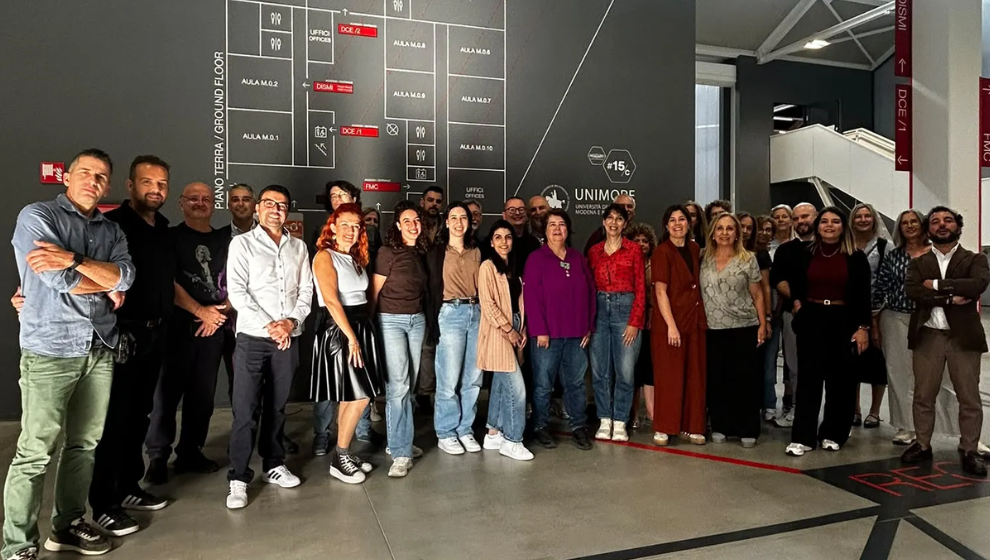
Rather than developing resources in isolation, MILES partners are working directly with educators to shape what the student phase will look like. In these co-design sessions, teachers and partners collaborate to develop and refine student-facing learning activities that can be implemented across different school subjects and age groups. The workshops help partners and teachers, identify what students struggle with most (and what they overestimate) translate media literacy concepts into concrete classroom activities adapt exercises to local realities, languages, and teaching formats shape materials so they are easy to use, repeat, and scale
This is where MILES becomes truly classroom-ready, not only offering knowledge about disinformation, but creating tools that help students practise critical thinking as a habit.
Preparing the student toolbox
The outcome of this co-design phase is the preparation of the MILES Student Toolbox: a growing collection of structured activities and resources that will support upcoming student workshops in schools across the partner countries. These materials are designed to help students actively practise skills such as 1. Questioning Sources, 2. Intent Recognising manipulation tactics and emotional triggers reflecting on how AI-generated content can blur trust discussing information respectfully without falling into cynicism
Teachers’ feedback at this stage is essential. It ensures the toolbox will be practical, engaging, and aligned with how learning actually happens in real classrooms.
What’s next In the coming months, the co-designed materials will be implemented and tested through student workshops. These classroom experiences will also feed back into the toolbox, helping MILES project refines what works best and share approaches that can be adopted more widely.
👉 Follow the project and explore MILES platform here: https://platform-miles.erasmusplus.website/

Target Groups
Teachers, Students, School leaders, School staff, Academics, Researchers, Policy makers, Public bodiesEducation Level
Secondary, Teacher education